Stay Connected Worldwide With The Best International eSIM Plans
A traveler lands in Tokyo and instantly connects to a local network without swapping a physical SIM card. This is made possible by an international eSIM, a digital SIM that stores multiple carrier profiles on a compatible device. Users activate the service by scanning a QR code or downloading an app, allowing them to seamlessly switch between data plans across different countries without handling physical cards. The main benefits include avoiding high roaming fees and maintaining connectivity through a single, remotely managed profile.
The Shift from Plastic SIMs to Remote Connectivity

The primary shift from plastic SIMs to remote connectivity for international travel lies in eliminating physical procurement. Instead of buying a local SIM upon arrival or swapping cards, an international eSIM is activated digitally before departure. This removes the risk of losing or damaging the tiny plastic card and instantly provides a local data profile upon landing. A key practical advantage is maintaining your primary line: your home SIM stays active for calls and 2FA codes while the eSIM handles data.
This dual-SIM capability means you never physically handle the foreign network; your device simply authenticates via a remote profile, making connectivity seamless from touchdown to departure.
For frequent cross-border travel, this eliminates juggling multiple plastic cards and the need to store or dispose of them after each trip.
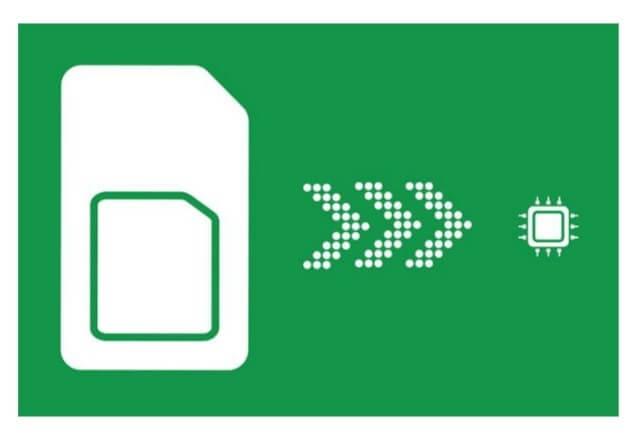
Understanding Embedded SIM Technology and Its Global Applications
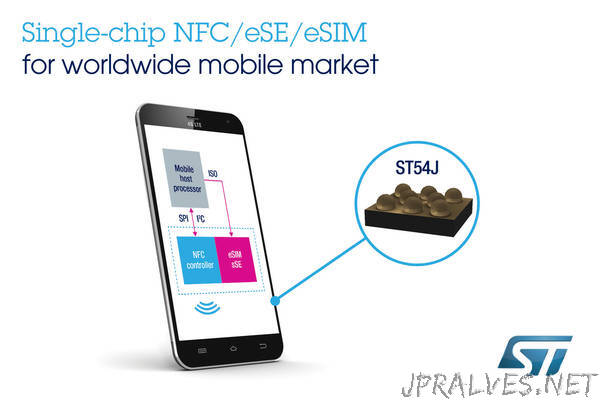
Understanding embedded SIM (eSIM) technology means recognizing it as a tiny, non-removable chip soldered directly onto your device’s motherboard, replacing the physical plastic card. Its global applications shine when traveling internationally—you can instantly switch to a local data plan without hunting for a SIM vendor or swapping tiny cards. An eSIM’s remote provisioning lets you download carrier profiles over Wi-Fi, keeping your home number active while adding a secondary line for local rates. This tech simplifies hopping between countries: you’re not locked to one provider, and instant global connectivity becomes a tap away on your phone or tablet.
- Activate a local data plan right after landing, no physical store visit needed.
- Balance work and travel using dual SIMs (eSIM + physical SIM) in one device.
- Switch carriers mid-trip if you find better coverage or pricing, all from settings.
- Keep your original number live for calls while using eSIM for cheap local data.
How Remote SIM Provisioning Eliminates Physical Swap Hassles
Remote SIM provisioning eliminates the need to physically swap plastic SIMs by allowing users to download a new carrier profile directly onto their device. Travelers avoid carrying multiple SIM cards or searching for a paperclip to eject trays. Instead, they purchase and activate an international eSIM plan from an app, which provisions the profile over-the-air instantly. This process bypasses the hassle of locating a local store, removing a current SIM, storing it safely, and inserting a new one. It effectively turns a cumbersome hardware swap into a seamless software update.
Remote SIM provisioning removes the friction of physically exchanging SIM cards, enabling immediate, digital carrier switching without touching any hardware.
Evaluating Top Providers for Cross-Border Travel
When planning a trip through three countries in two weeks, I learned that evaluating top providers for cross-border travel means checking coverage maps for actual network partners, not just claimed “regional” access. I compared a provider offering a single global plan against one with multi-country packages, discovering the latter gave me seamless switching between local carriers without manual re-activation at each border. My decision came down to real-time data throttling reviews—some providers cap speeds at 256 kbps after 1GB, which broke my navigation app in rural areas. I also tested customer support responsiveness by messaging each company’s chat with a fake roaming issue; the one that replied in under two minutes with specific troubleshooting steps won my purchase. That practical vetting saved me from dropped connections during a critical Zoom call in a train station.
Comparing Pricing Structures and Data Plans for Roaming Users
When comparing pricing structures for international eSIMs, focus on per-gigabyte cost versus flat daily fees. Regional plans covering multiple countries often offer lower rates than single-nation passes, but check for reduced data speeds after a daily threshold is met. Some providers bill strictly per MB used, while others round up to the next megabyte, which can inflate costs for light users. Data-only plans are generally cheaper than those including voice minutes, but confirm if your device supports VoIP to compensate.
- Compare total cost for your trip length, not just per-GB price; a 10-day pass may be cheaper than a 30-day option.
- Verify if throttled speeds (e.g., 128 kbps) apply after hitting the plan’s high-speed data cap.
- Check for hidden charges like upfront activation fees or minimum-top-up requirements for top-up-based plans.
- Evaluate whether the provider offers rollover of unused data or allows you to pause the plan between trips.
Regional Coverage Maps: Where Each Carrier Excels or Fails
When evaluating an international eSIM, regional coverage maps reveal stark performance gaps between carriers. Airalo often excels across Southeast Asia, delivering reliable 4G in Thailand and Indonesia, but fails in parts of Latin America where Holafiber’s local partnerships provide stronger signals in rural Brazil. Ubigi dominates Japan’s train corridors but drops connectivity in Eastern Europe, where Nomad eSIM struggles in Croatia’s coastal zones. Conversely, Holafiber falters in Sub-Saharan Africa, while Airalo holds steady in South Africa’s urban centers. These maps are your strategic tool: always cross-reference your destination’s specific urban corridors versus remote valleys before purchase.
Carrier strengths shift per region—Airalo soars in Asia, Holafiber in Latin America, but both stumble in Africa or Eastern Europe; check coverage maps per country, not just continent.
Setting Up a Digital SIM Across Different Devices
Setting up an international eSIM varies by device, but the core process is streamlined. On a modern iPhone, you typically scan a carrier’s QR code in Settings > Cellular, add the data plan, and label it for travel. For Android flagships like a Google Pixel or Samsung Galaxy, the path is similar via Settings > Connections, though you might need to manually enter a confirmation code. A critical universal step is ensuring your primary physical SIM handles calls while the digital SIM manages data. Always download your eSIM profile before departing, as airport Wi-Fi can be unreliable for a first-time activation. Once installed, simply toggle the data line to your new international eSIM, and you’re roaming instantly across supported networks without swapping any cards.
Step-by-Step Activation for iOS Smartphones and Tablets
For iOS devices, begin by ensuring your device is connected to Wi-Fi, then navigate to step-by-step activation for iOS smartphones and tablets. Open *Settings* > *Cellular* (or *Mobile Data*) and tap *Add Cellular Plan*. Scan the QR code provided by your international eSIM provider, or enter the activation details manually. When prompted, assign your plan as either *Primary* (your home line) or *Secondary* (the international eSIM). After confirming, your new digital SIM appears as a line. Toggle *Cellular Data* to your new line, enable *Data Roaming*, and your activation is complete—no physical card needed.
Android Compatibility Checks and Profile Management Tips
Before purchasing an international eSIM, verify your Android device supports it by navigating to Settings > About Phone and checking for an “ICCID” or “EID” number, which confirms eSIM capability. For profile management, multiple eSIM profiles can be stored, but only one can be active for data at a time; switch profiles via Settings > Network & Internet > SIMs, where you can also rename labels like “Travel USA” for clarity. To avoid conflicts, disable your primary physical SIM’s data when roaming, then enable the eSIM. Q: How do I troubleshoot an eSIM profile that fails to download? A: Restart your device, ensure a stable Wi-Fi connection, and verify the activation code hasn’t expired, as QR codes are typically time-sensitive.
Saving Money While Staying Connected Abroad
Using an international eSIM saves money abroad by eliminating physical SIM shipping fees and roaming markups. You buy a local data plan directly from a global provider before departure, often at a fraction of hotel or airport SIM prices. For example, a 10‑day Europe eSIM plan can cost as little as €10, compared to €5–€10 per day with carrier roaming.
Pro tip: activate the eSIM only after landing to avoid premature billing, and keep your primary SIM for registration codes calls.
Stick to data‑only eSIMs for navigation and messaging, and use VoIP apps for calls—this avoids costly voice minutes entirely. Always compare per‑GB rates across providers to lock in the cheapest valid plan for your trip length.
Flat-Rate Plans Versus Pay-Per-Gigabyte Options for Frequent Flyers
For frequent flyers, choosing between flat-rate plans and pay-per-gigabyte options hinges on data consumption patterns. A flat-rate eSIM plan offers predictable costs for heavy users who need constant connectivity across multiple trips, removing bill shock. Conversely, pay-per-gigabyte options are ideal for lighter users who only connect for short layovers or occasional messaging, as they purchase only what they use. A frequent flyer data strategy must weigh higher upfront flat fees against flexible, metered pay-per-GB spending to optimize value.
Plan Type Best For Key Trade-Off Flat-Rate Daily heavy users (streaming, video calls) Higher base cost, but unlimited peace of mind Pay-Per-GB Irregular or light users (maps, email) Lower initial cost, risk of running out mid-trip Avoiding Hidden Fees When Purchasing Regional Data Bundles
To avoid costly regional data bundle pitfalls, always confirm the bundle’s coverage map before purchase, as some providers include only one country within a labeled “region.” Check for automatic renewal settings that trigger charges upon data exhaustion, and disable them immediately. Even “unlimited” regional bundles often throttle speeds after a hard cap, leading to surprise charges for top-ups.
- Scrutinize the exact countries covered; “Europe” may exclude niche destinations like Monaco or Gibraltar.
- Reject bundles that list a validity period but charge per-day activation fees.
- Only purchase from providers offering clear, itemized transaction receipts without vague “service taxes.”
Navigating Network Speeds and Reliability Beyond Home Borders
The moment your plane touches down, the international eSIM becomes your lifeline, but speeds and reliability hinge on which local tower your virtual profile latches onto. You might land in a bustling Tokyo district and stream a map in seconds, only to find that same provider crawling in a rural Kyoto shrine’s shadow. Roaming on a primary network partner almost always delivers stable 4G, while a secondary fallback can feel like throttled dial-up during a taxi queue. Switching profiles in your phone’s settings—not just toggling data on and off—often forces a reconnect to a faster node. I once lost my boarding pass link in a Singapore MRT tunnel because the eSIM hesitated between two carriers; manually locking to one prevented that drop. For consistent connectivity, check if your plan lists priority partners before you go, because not all “local” coverage is equal at 30,000 feet or sea level.
Factors Affecting Signal Strength in Rural Versus Urban Destinations
When roaming with an international eSIM, you’ll notice signal strength shifts dramatically between city and countryside. Urban areas pack towers close together, ensuring solid rural versus urban signal coverage, but concrete and glass can block waves in dense downtowns. In rural destinations, towers are sparse, and hills, forests, or open land Singapore eSIM often weaken the link. To stay connected, consider these factors:
- Urban canyon effects from tall buildings that reflect or absorb signals
- Rural distance from the nearest cell tower as a major bottleneck
- Natural terrain like mountains or dense woods that obstruct line-of-sight
- Indoor positioning in either setting, where walls or basements cut strength
Understanding Local Carrier Partnerships and Their Impact on Latency
When using an international eSIM, local carrier partnerships are the backbone of latency performance. Instead of routing your data through a distant home network, these agreements allow your device to connect directly to a nearby local tower. This drastically reduces the physical distance data must travel, lowering round-trip time for packets. The impact is immediate: faster page loads, smoother video calls, and responsive real-time apps like navigation or online gaming. Without such partnerships, your connection might hop across continents, introducing noticeable delay. Choosing an eSIM provider with robust local partnerships in your destination directly correlates with a lower-latency experience.
Security Considerations for Virtual SIM Cards
When you swap to an international eSIM for travel, your physical SIM is gone, but the security considerations for virtual SIM cards shift to your device’s firmware. I once watched a friend’s eSIM profile get cloned after he connected to an unsecured hotel Wi‑Fi while downloading the remote provisioning package. The real risk isn’t the card itself—it’s the over‑the‑air activation channel. A rogue app or a phishing link can trick your phone into installing a malicious profile that steals your IMSI. Unlike a physical card, you cannot just snap it out; you must trust your device’s secure element and avoid sideloading profiles from unknown QR codes. Remote SIM provisioning requires you to lock down your phone’s OS updates and use a VPN during initial eSIM setup—otherwise, your virtual identity roams unprotected.
Encryption Standards in Mobile Network Authentication
International eSIM authentication relies on robust encryption standards to secure the link between the device and the visited network. The 3GPP framework mandates mutual authentication using AES-based algorithms, preventing impersonation or data interception. Each authentication vector is encrypted with session-specific keys derived from the home network’s permanent K and operator-specific algorithms. This ensures that even if the air interface is intercepted, the subscriber’s identity and credentials remain protected. Without these standards, cloning or replay attacks would compromise the virtual SIM profile during roaming.
Q: How does encryption protect my eSIM when switching networks internationally?
A: Each network handshake triggers a fresh set of cryptographically generated session keys, ensuring prior encryption sessions cannot be reused or decrypted by a new network.Risks of Public Wi-Fi Alternatives and SIM-Based Protection
Relying on public Wi-Fi while using an international eSIM exposes your device to man-in-the-middle attacks and session hijacking, as unsecured networks can intercept data routed through your virtual connection. A SIM-based protection strategy mitigates this risk by leveraging the eSIM’s embedded secure element to authenticate directly to the carrier’s network, encrypting traffic at the hardware level and bypassing the vulnerabilities of open hotspots. This cellular-layer encryption ensures that even if a public network is compromised, the eSIM’s dedicated data tunnel remains isolated from the local Wi-Fi broadcast, preventing credential theft and unauthorized access to your communications.
Managing Multiple Profiles for Business and Leisure
Landing in Tokyo for a client meeting, I swap from my personal Japanese eSIM to a business profile, keeping my local number active for personal WhatsApp groups while my work line stays disciplined for urgent calls. Later, at a sunlit café in Kyoto, I toggle back to my leisure eSIM to stream maps without touching the corporate data cap. Each profile gets its own data pool and billing cycle, so I never worry about expense reports mixing with ramen-searching apps. I assign a crisp ringtone to work contacts only, silencing that profile during golden-hour temple visits. The real art is renaming the profiles—like “Remote Office” and “Play Mode”—so my thumb knows exactly which digital suitcase to open next.
Switching Between Work and Personal Lines Without Extra Hardware
Switching between work and personal lines with an international eSIM eliminates the need for a second device or physical SIM swaps. You simply toggle between profiles in your phone’s settings, instantly changing your number, data plan, and messaging apps. This effortless profile switching keeps business calls separate from weekend chats while traveling abroad. No extra hardware means you carry one phone but maintain two distinct digital identities, each with its own local or global data package for seamless roaming.
- Activate a work profile with a local data plan for client calls, then switch to a leisure profile for casual browsing.
- Receive notifications only from the active profile, preventing work emails during personal time.
- Store multiple eSIMs from different operators without inserting a physical card.
- Change profiles in under five seconds via your device’s cellular settings menu.
Dual SIM Configurations: Balancing Primary and Travel Profiles
A dual SIM configuration allows you to assign your home number to a primary physical SIM while installing an international eSIM as the travel profile for data. This setup keeps your primary line active for calls and SMS via your home carrier, but you must manually disable cellular data on that line to prevent roaming charges. The travel eSIM handles all internet traffic, while your primary profile remains reachable. For seamless balancing, set the eSIM as the default data line and enable “Allow Cellular Data Switching” only if your primary carrier supports low-cost calls over data. This logical division ensures cost control without sacrificing domestic connectivity.
Troubleshooting Common Connection Issues Across Borders
When your international eSIM fails across borders, first toggle airplane mode for 60 seconds to force a network re-registration. If that fails, manually select a local carrier from your device’s network list, as automatic selection often latches onto weak roaming partners. Why does my connection drop when crossing a border? eSIM profiles may not automatically switch to a new country’s allowed towers until you restart data roaming or reboot the phone. For persistent issues, check that your eSIM’s “Data Roaming” toggle is on and that your phone’s APN settings match the provider’s default (usually “internet” or “esim”). Avoid assigning the eSIM to a slot with a physical SIM from your home country, as carrier conflicts can block cross-border authentication. If data remains absent, update the eSIM’s network profile via your provider’s app—stale carrier bundles cause many silent outages at national borders.
Fixing Activation Errors When Scanning QR Codes
Fixing activation errors when scanning QR codes for an international eSIM often involves confirming your device’s camera can read the code clearly in adequate lighting. If the scan fails, first ensure you have a stable internet connection, as the activation process requires data to fetch your eSIM profile. A common fix is regenerating the QR code from your provider’s account portal, as expired codes are a frequent cause. For persistent failures, manually entering the SM-DP+ address and confirmation code—listed in your eSIM details—bypasses the scanner entirely.
- Check for screen glare or smudges on your phone’s camera lens before rescanning.
- Switch to a different device or take a screenshot of the QR code to scan from your photo gallery.
- Restart your phone after manually deleting any partially installed eSIM profiles to clear conflicts.
Resolving No-Service Problems Through Manual Network Selection
When an international eSIM shows no service, manual network selection bypasses automatic carrier scanning failures. Access your device’s cellular settings, disable automatic selection, and scan for available operators. Choose a network that matches your eSIM’s home region or a known local partner. This process forces the eSIM to register with a specific tower, often resolving provisioning errors that cause the “no service” state. If the first attempt fails, test two or three different networks in sequence. Manual carrier toggling remains the most direct fix for cross-border roaming disconnects.
Action Result Disable automatic selection Stops device from scanning faulty bands Scan & choose a network Forces registration with a valid tower Cycle through 2-3 networks Finds correct partner without rebooting Future Trends in Borderless Mobile Connectivity
The future of borderless mobile connectivity will see international eSIMs evolving into autonomous network optimizers. Instead of selecting a single roaming profile, an eSIM will dynamically switch between multiple underlying carrier networks in real-time, selecting the strongest signal or lowest latency for specific tasks like streaming or video calls. This intelligent routing will be integrated directly into device firmware, eliminating manual profile management. Another key trend is the rise of decentralized eSIM infrastructure, where users can purchase data slices directly from local providers globally, bypassing traditional aggregators. This will enable truly customizable, on-demand connectivity without physical SIM swapping, making global data access as seamless as local usage.
Integration of eSIMs in IoT Devices and Smart Wearables
The integration of eSIMs into IoT devices and smart wearables transforms how users interact with global connectivity. Smartwatches and fitness trackers now operate independently of phones, switching between international carriers without physical SIM swaps. This seamless global roaming enables real-time health monitoring during travel, as eSIMs automatically connect to local networks. IoT sensors in luggage or vehicles transmit location data across borders without manual configuration, ensuring continuous tracking. These devices no longer require separate data plans per country, simplifying setup for frequent travelers.
How do eSIMs improve smartwatch functionality during international trips? They allow watches to maintain cellular connectivity abroad by remotely activating a local profile, keeping notifications, maps, and emergency services accessible without tethering to a phone.
Potential for Universal Plans That Span Multiple Continents
The true breakthrough in international eSIM lies in the global connectivity subscription, where a single plan seamlessly roams across North America, Europe, and Asia. This eliminates juggling multiple regional profiles or physical SIM cards. Such universal plans rely on deep network aggregation, automatically switching between local carriers in each continent to maintain high speeds. Users benefit from a single billing cycle and a unified pricing structure that renders borders invisible. The practical result is consistent access for frequent intercontinental travelers, transforming eSIM from a travel tool into a primary connectivity solution.
Universal plans spanning multiple continents redefine mobile access by merging regional carriers into a single, borderless subscription for seamless global roaming.
What a Global eSIM Actually Does and How It Works
The Core Difference Between a Physical SIM and a Digital Profile
Which Devices Are Compatible with This Technology
How the Activation Process Works Without a Plastic Card
Key Benefits of Using a Travel eSIM Over Roaming
Why You Avoid Shockingly High Carrier Fees Abroad
How to Keep Your Home Number Active While Using a Local Data Plan
The Convenience of Installing a Plan Before You Leave
How to Choose the Right Data Plan for Your Trip
What to Look for in Regional vs. Global Coverage Bundles
Comparing Data Speeds, Throttling Policies, and Fair Use Caps
How to Evaluate Plans Based on Trip Duration and Countries
Practical Tips for Managing Your Mobile Connection Abroad
How to Install and Switch Between Multiple eSIM Profiles
What to Do If You Encounter Connection Issues Mid-Trip
How to Monitor Data Usage and Top Up Without Stress
Common Questions Users Have About This Technology
Can You Keep Your eSIM After the Trip Ends
What Happens If You Change Phones or Lose Your Device
How Secure Is a Digital SIM Compared to a Physical Card

